
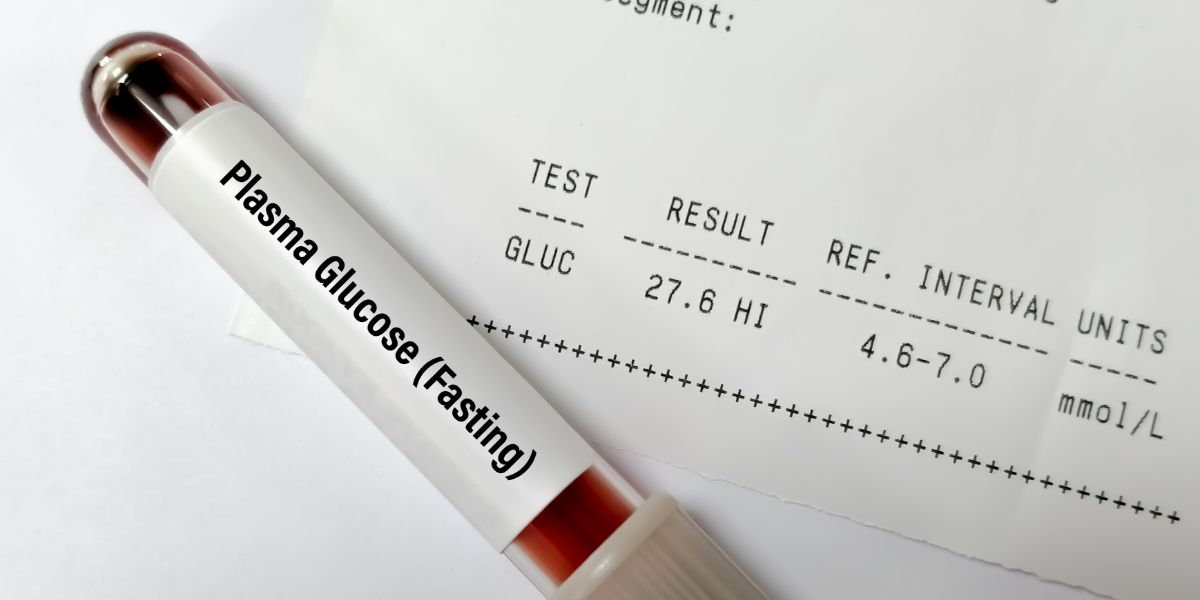
Diagnosis for both type 1 and type 2 diabetes can occur in a number of different ways.
Usually type 2 is diagnosed by diabetes symptoms, such as polyuria (excessive urination) and polydipsia (excessive thirst).
Otherwise, diabetes is picked up through screening, hyperglycaemia when doctor investigates a complication, or signs and symptoms prompted by diabetes
What is a diabetes screening test?
A screening test determines whether a person has diabetes, and how serious it is. Depending on where you are and what your circumstances are, the screening test will vary.
Tests include:
- Random blood glucose tests – commonly used to test for type 1 diabetes
- Urine glucose test
- Fasting plasma glucose tests (FPG tests)
- HbA1c test
- Oral glucose tolerance tests
Additional diagnostic tests, such as urine ketone tests, GAD autoantibodies tests or C-peptide tests may also be used, as part of the diagnosis, to distinguish between type 1 and type 2 diabetes.
For adults aged between 40 and 50, screening should be considered. For people who have higher risk factors (ethnicity, family history, obesity) screening should be conducted beforehand.
- More on tests for diabetes
If you have recently been diagnosed with diabetes by your healthcare team, please see our guide for newly diagnosed
Measuring hemoglobin A1c (HbA1c) can help diagnose cases of prediabetes and type 2 diabetes.
According to diagnostic guidelines set out by the World Health Organisation (WHO), a HbA1c value of:
- 6% (below 42 mmol/mol) is considered non-diabetic
- 6-6.4% (42 to 47 mmol/mol) indicates impaired fasting glucose regulation and is considered prediabetes
- 6.5% or more (48 mmol/mol and above) indicates the presence of type 2 diabetes
Diabetes screening is strongly recommended for adults aged between 40 and 50 years, or earlier for any adults with one or more risk factors ( ethnicity, family history, obesity, etc).
What kind of conditions are usually related to diabetes?
A number of medical conditions are often associated with diabetes, and when they are discovered patients should be screened for the disease.
These conditions include (alongside others):
- High blood pressure
- Elevated cholesterol levels
- Coronary artery disease
- Prior gestational diabetes
- Polycystic ovary syndrome Chronic pancreatitis
- Fatty liver
- Haemochromatosis
- Cystic fibrosis
- Mitochondrial neuropathies and myopathies
- Myotonic dystrophy
- Friedreich’s ataxia
- Inherited forms of neonatal hyperinsulinism
Can some drugs cause diabetes?
This is a contentious issue, but the risk of developing diabetes is regarded as being greater following the chronic use of some medications.
These include high-level doses of glucocortinoids, chemotherapy agents, antipsychotics and mood stabilisers.
What kind of problems could indicate diabetes?
Diabetes diagnosis often occurs when a person is suffering from a problem known to be caused by diabetes
The type of problems leading to this conclusion include heart attacks, strokes, neuropathy, failure of wounds to heal properly, foot ulcers, eye problems, fungal infections, and giving birth to a child with hypoglycaemia.


