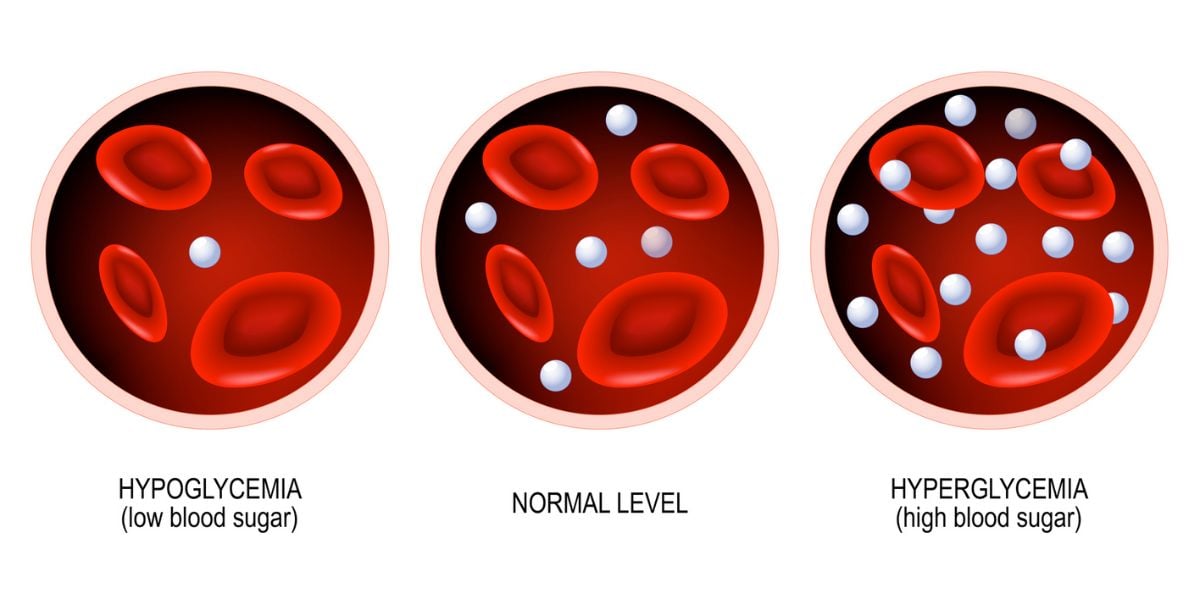
Prediabetes, also commonly referred to as borderline diabetes, is a metabolic condition and growing global problem that is closely tied to obesity.
If undiagnosed or untreated, prediabetes can develop into type 2 diabetes; which whilst treatable is currently not fully reversible.
What is prediabetes?
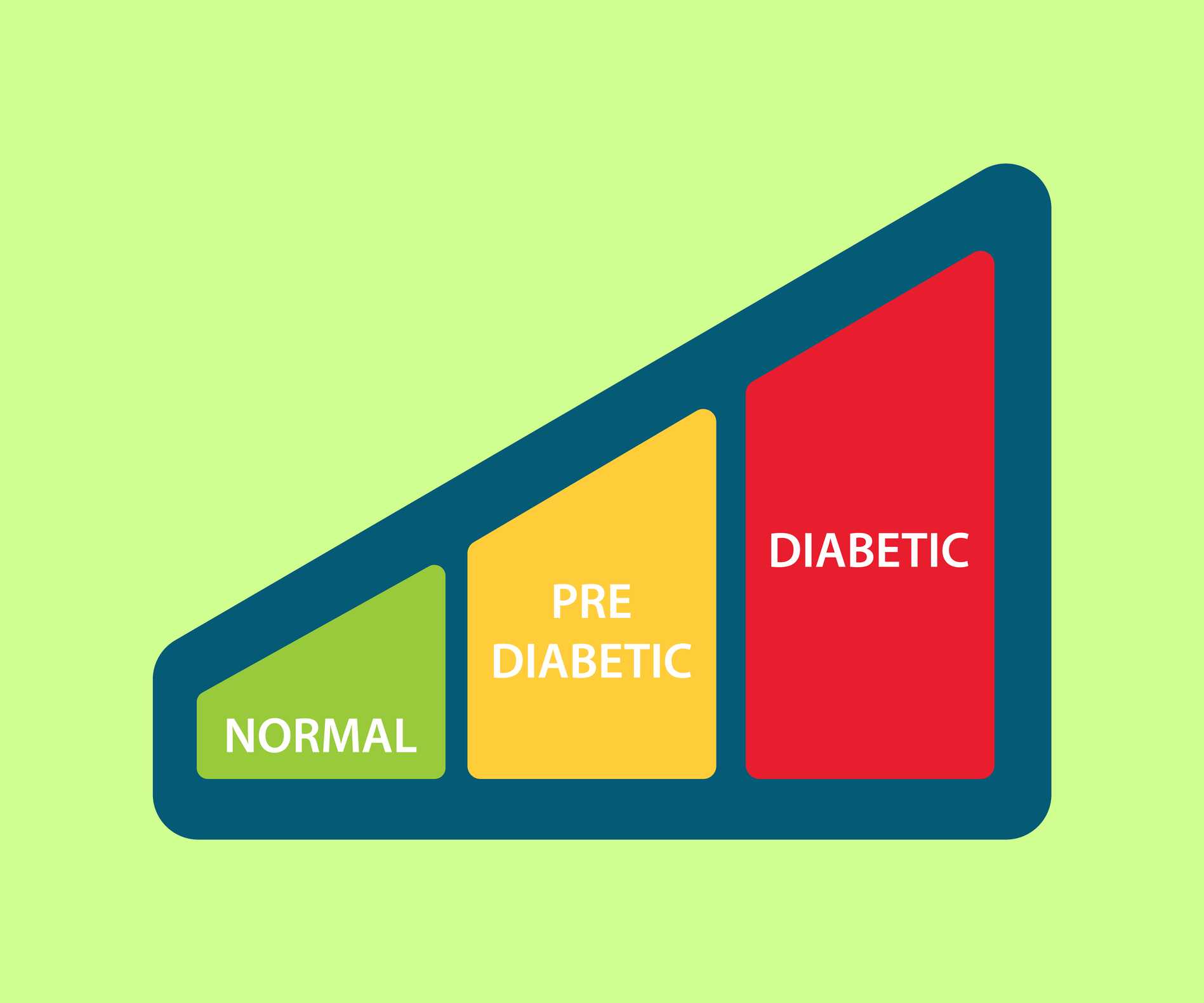
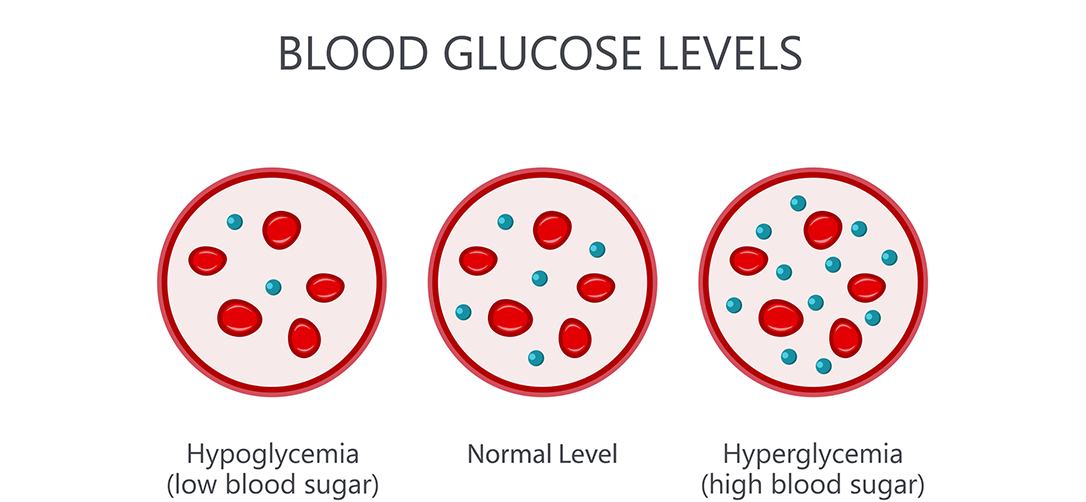
Prediabetes is characterised by the presence of blood glucose levels that are higher than normal but not yet high enough to be classed as diabetes.
For this reason, prediabetes is often described as the “gray area” between normal blood sugar and diabetic levels. In the UK, around 7 million people are estimated to have prediabetes and thus have a high risk for developing type 2 diabetes. [17]
Prediabetes may be referred to as impaired fasting glucose (IFT), if you have higher than normal sugar levels after a period of fasting, or as impaired glucose tolerance (IGT), if you have higher than normal sugar levels following eating.
The increasing number of new cases of prediabetes presents a global concern as it carries large scale implications towards the future burden on healthcare. Between 2003 and 2011, the prevalence of prediabetes in England alone more than tripled, with 35.3% of the adult population, or 1 in every 3 people having prediabetes. [106]
Learn more about prediabetes
Prediabetes is a critical stage in the development of diabetes, for it is at this point that lifestyle choices can be made to turn it around. Early, decisive action can slow down or even halt the development of type 2 diabetes
Explore Prediabetes




What are the symptoms of prediabetes?
Many people have prediabetes but are completely unaware of it. This is because the condition often develops gradually without any warning signs or symptoms. In many cases, the sufferer only learns of their borderline diabetic state once the symptoms of type 2 diabetes start to appear. Therefore, being aware of the risk factors is essential.
What are the risk factors for prediabetes?
You should be tested for prediabetes if you:
- Are overweight or obese
- Have a close relative (parent or sibling) who currently has or has had diabetes
- Have high blood pressure, low HDL (‘good’ cholesterol) or high triglycerides
- Are over the age of 40
- Have given birth to a baby who weighed over 9 pounds
While pre-diabetes may affect anyone, of any age, gender or racial type, some groups are genetically more prone. These include:
- Afro-Caribbean
- South Asian
- Native American
Testing for prediabetes
Either a fasting plasma glucose test or an HbA1c test may be used to diagnose type 2 diabetes or prediabetes.
The following results indicate the presence of prediabetes:
- Fasting plasma glucose: 5.5 mmol/L to 6.9 mmol/L
- HbA1c: 42 to 47 mmol/mol (6.0 to 6.4%) [361]
If your results are above the upper limits for prediabetes, your GP may either diagnose you with type 2 diabetes or take another test in the near future to confirm whether you have diabetes. If you have symptoms of diabetes but have an HbA1c of below 42 mmol/mol (6.0%), you may be given an oral glucose tolerance test (OGTT).
If you are diagnosed with prediabetes, your doctor should clearly set out the steps you need to take to lower your risk of developing type 2 diabetes.
Can I stop prediabetes developing into type 2 diabetes?
The good news is that cases of prediabetes that are identified early on can be reversed, preventing them from progressing into full-blown type 2 diabetes. Each year in the UK, 5% to 10% of people diagnosed with prediabetes go on to develop type 2 diabetes.
The two principle factors for consideration are:
By making these changes, blood sugar levels can be returned to normal.
In fact, the recently completed Diabetes Prevention Program study conclusively showed that people with borderline diabetes can prevent the development of type 2 diabetes by making dietary changes and increasing their level of physical activity.
For a comprehensive and individual plan, speak to your doctor.


