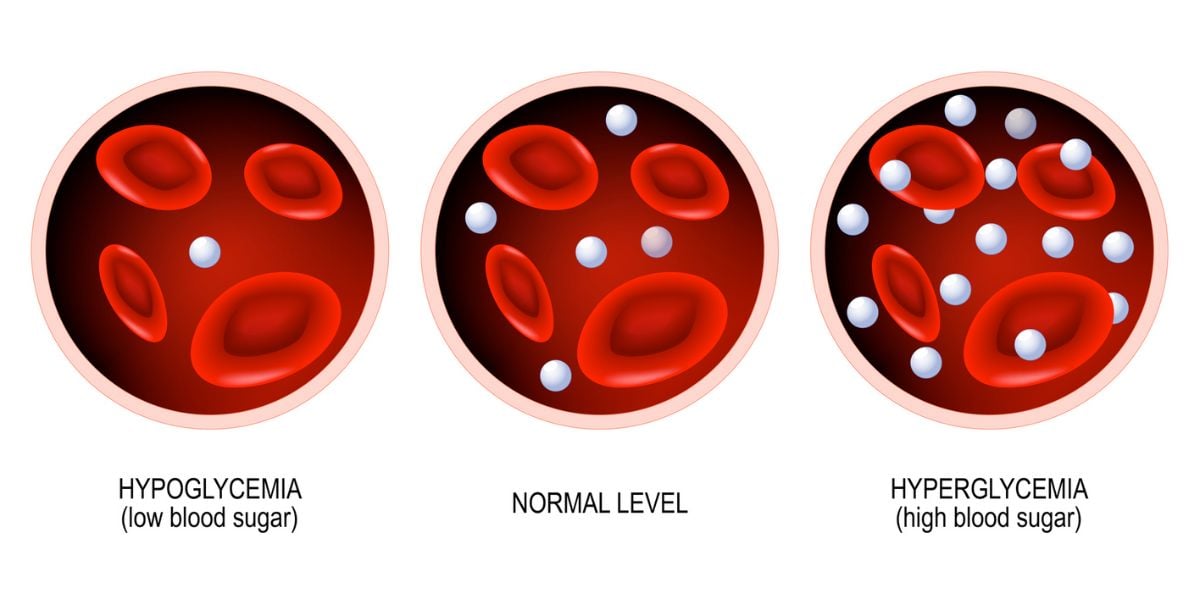
Type 2 diabetes mellitus is a metabolic disorder that results in hyperglycemia (high blood glucose levels) due to the body:
- Being ineffective at using the insulin it has produced; also known as insulin resistance and/or
- Being unable to produce enough insulin
Type 2 diabetes is characterised by the body being unable to metabolise glucose (a simple sugar). This leads to high levels of blood glucose which over time may damage the organs of the body.
From this, it can be understood that for someone with diabetes something that is food for ordinary people can become a sort of metabolic poison.
This is why people with diabetes are advised to avoid sources of dietary sugar
The good news is for very many people with type 2 diabetes this is all they have to do to stay well. If you can keep your blood sugar lower by avoiding dietary sugar, likely you will never need long-term medication
Type 2 diabetes was formerly known as non-insulin-dependent or adult-onset diabetes due to its occurrence mainly in people over 40. However, type 2 diabetes is now becoming more common in young adults, teens and children and accounts for roughly 90% of all diabetes cases worldwide.
How serious is type 2 diabetes?
Type 2 diabetes is a serious medical condition that often requires the use of anti-diabetic medication, or insulin to keep blood sugar levels under control. However, the development of type 2 diabetes and its side effects (complications) can be prevented if detected and treated at an early stage.
In recent years, it has become apparent that many people with type 2 diabetes are able to reverse diabetes through methods including low-carb diets, very-low-calorie diets and exercise.
For guidance on healthy eating to improve blood glucose levels and weight and to fight back against insulin resistance, join the Low Carb Program
Following pre-diabetes or metabolic disorder, type 2 diabetes can potentially be avoided through diet and exercise.
What causes type 2 diabetes?
Type 2 diabetes occurs when the hormone insulin is not used effectively by the cells in your body. Insulin is needed for cells to take in glucose (sugar) from the bloodstream and convert it into energy.
Ineffective use of insulin results in the body becoming resistant to insulin – also known as insulin resistance, which in turn causes blood sugar levels to rise ( hyperglycemia ).
In advanced stages, type 2 diabetes may cause damage to insulin producing cells in the pancreas, leading to insufficient insulin production for your body’s needs.
Type 2 diabetes risk factors
A number of factors can increase the risk of developing type 2 diabetes.
These include:
- Being overweight or obese
- Having a waist size of 31.5 inches or more (women) or more than 37 inches (men)
- Eating an unhealthy diet
- Physical inactivity
- Having a first-degree relative with type 2 diabetes
- Having high blood pressure or raised cholesterol levels
- Being of South Asian and African-Caribbean descent
- Smoking
The likelihood of developing type 2 diabetes is also influenced by genetics and environmental factors. For example, research shows that:
- If either parent has type 2 diabetes, the risk of inheritance of type 2 diabetes is 15% [1]
- If both parents have type 2 diabetes, the risk of inheritance is 75% [1]
Is there an age where I’m more at risk of type 2?
Type 2 diabetes used to be known as adult-onset diabetes as it was primarily seen in middle-aged adults over the age of 40.
However, in recent years, cases of type 2 diabetes have become more common in young adults, teens and children. This increase has been connected to climbing levels of obesity
- See our guide on diabetes risk factors for more information.
Do you have to be overweight to get type 2 diabetes?
While being overweight is often associated with type 2 diabetes, someone who is a healthy weight can also be diagnosed with the condition
Often called ‘skinny’ type 2 diabetes, this condition can be found in individuals with low amounts of subcutaneous fat but high amounts of visceral or abdominal fat.
Symptoms and diagnosis
The most common symptoms of type 2 diabetes are:
Some of these symptoms are the same for type 1 diabetes, but in type 2 diabetes they tend to develop more slowly over a period of months or years, making it harder sometimes for people to recognise them as signs of an underlying illness.
In fact, many people have type 2 diabetes for a long period of time before being diagnosed with the disease.
Type 2 diabetes is frequently diagnosed following the results of either a fasting plasma glucose test or an oral glucose tolerance test. The condition can also be detected through a general health check with your GP.
The condition can be detected through diabetes screening or may be picked up as part of other health checks.
Type 2 diabetes treatment
First line treatment for type 2 diabetes typically includes a combination of diet modification with regular and appropriate exercise.
The NICE guidelines (NG28) state that treatment for type 2 diabetes should take into account an individual’s needs and preferences into account. People with diabetes should be given the opportunity to make informed decisions about their care and work together with healthcare professionals.
The NICE guidelines encourage having high-fibre, low-glycemic-index (low-GI) carbohydrate in the diet. This allows a good amount of flexibility and it is possible to follow a range of diets, including lower-carb and low-calorie, whilst ensuring you get a good source of low-GI foods such as vegetables, beans and pulses.
Your health team should help you with setting recommendations for carbohydrate and alcohol intake that work for you.
Low carb
Adopting a lower-carb diet can help with weight loss and lowering of blood glucose levels. This is because metabolised carbohydrate turns into glucose in the bloodstream and has an impact on blood sugar.
- Speak to others following a low-carb diet in the Low Carb forum
- Join the Low Carb Program for people with type 2 diabetes, prediabetes and obesity
Low calorie
A low-calorie diet, which is supported by meal replacement soups or shakes has been shown to support help people with weight management and support type 2 diabetes remission.
Better known as the Newcastle diet, the DiRECT trial examined the benefits of a low-calorie diet on type 2 diabetes. Almost half of those who went on a low calorie diet achieved remission of their type 2 diabetes after one year.
- Speak to people following the Newcastle diet in the Low Calorie forum
A growing number of Diabetes Forum members have reversed their type 2 diabetes through both of the aforementioned methods.
Blood glucose testing
People with type 2 diabetes can benefit greatly from testing their blood sugar levels as this provides immediate feedback on how food, lifestyle and illness affects blood glucose levels. Regular, structured blood glucose testing (also known as self-monitoring of blood glucose or SMBG) has been shown to improve long-term diabetes control by reducing HbA1c and the risk of complications.
Medication
People with type 2 diabetes may also be prescribed tablets and/or injectable medication. Metformin is one of the most commonly prescribed drugs for people with type 2 diabetes and helps the body to better respond to insulin.
Other drug treatments are also available, including:
Some people with type 2 diabetes, usually those who have had type 2 diabetes for a number of years, may also be moved onto insulin injections
- For more information on diabetes drug treatments, see our Medication section
Maintaining good control of blood glucose levels, as well as blood pressure and cholesterol levels, is vital in reducing the risk of diabetic complications If you are overweight, weight loss can often help to lessen the extent of diabetes symptoms.
Type 2 diabetes and complications
Like type 1 diabetes, type 2 diabetes carries the risk of diabetes complications over time.
The most common complications of type 2 diabetes include:
- Heart disease
- Stroke
- Kidney disease (nephropathy)
- Eye disease (retinopathy)
- Nerve damage (neuropathy), which raises the risk of amputation
In fact, by the time they are diagnosed, 50% of people with type 2 diabetes show early signs of these health conditions.
The list of complications, which also includes depression and sexual dysfunction, is not pleasant but their risks can be reduced through good diabetes control and attending all diabetic screening appointments.
As with many chronic diseases, early diagnosis of type 2 diabetes is beneficial for treatment. Before type 2 diabetes develops, most patients exhibit pre-diabetic symptoms, and if treatment commences at this stage, diabetes of this type can be preventable.
- Almost 1 in 3 people with type 2 diabetes develops overt kidney disease [1]
- Within 20 years of diagnosis of type 2 diabetes, 60% of people diagnosed have some degree of retinopathy [5]
In terms of short term complications of diabetes, ketoacidosis is rare amongst type 2 diabetics. However, non-ketonic hyperglycemia is one threat type 2 diabetics should be aware of.
Impact of type 2 diabetes
As stated above, type 2 diabetes can lead to a greater chance of health problems which could in some cases affect your ability to work and could therefore affect your personal income.
Another factor to bear in mind is that increased care may be needed, from your family or from a carer, particularly as you get older.
With the right support and good diabetes management, the potential negative effects of type 2 diabetes can be minimised.
The NHS and type 2 diabetes
Type 2 diabetes is already one of the most common long term health conditions and the prevalence of type 2 diabetes in the UK is growing year on year.
The cost of treating a growing number of people with type 2 diabetes, and the health complications associated with the condition, is estimated to cost the NHS around £12 billion a year on direct and indirect care.
Famous people with type 2 diabetes
Famous people with type 2 diabetes include:
- Blues musician BB King
- Acclaimed director George Lucas
- British comedian Jimmy Tarbuck
- Music producer and American Idol judge Randy Jackson
- Grammy-award winning singer Patti LaBelle
- CNN anchor Larry King
- Tom Hanks
Type 2 diabetes statistics
According to the International Diabetes Federation (IDF), more than 537 million people across the globe have diabetes and this figure is predicted to rise to over 643 million by 2030
Of the total global diabetes population, 90% are living with type 2 diabetes but it is estimated that up to half of these people are unaware of their condition (undiagnosed diabetes).
In the UK, more than 4.7 million people are diagnosed with type 2 diabetes whilst a further 13.6 million people are believed to be at higher risk.


